

TITAMBIREYI
WELCOME/SIYETULE
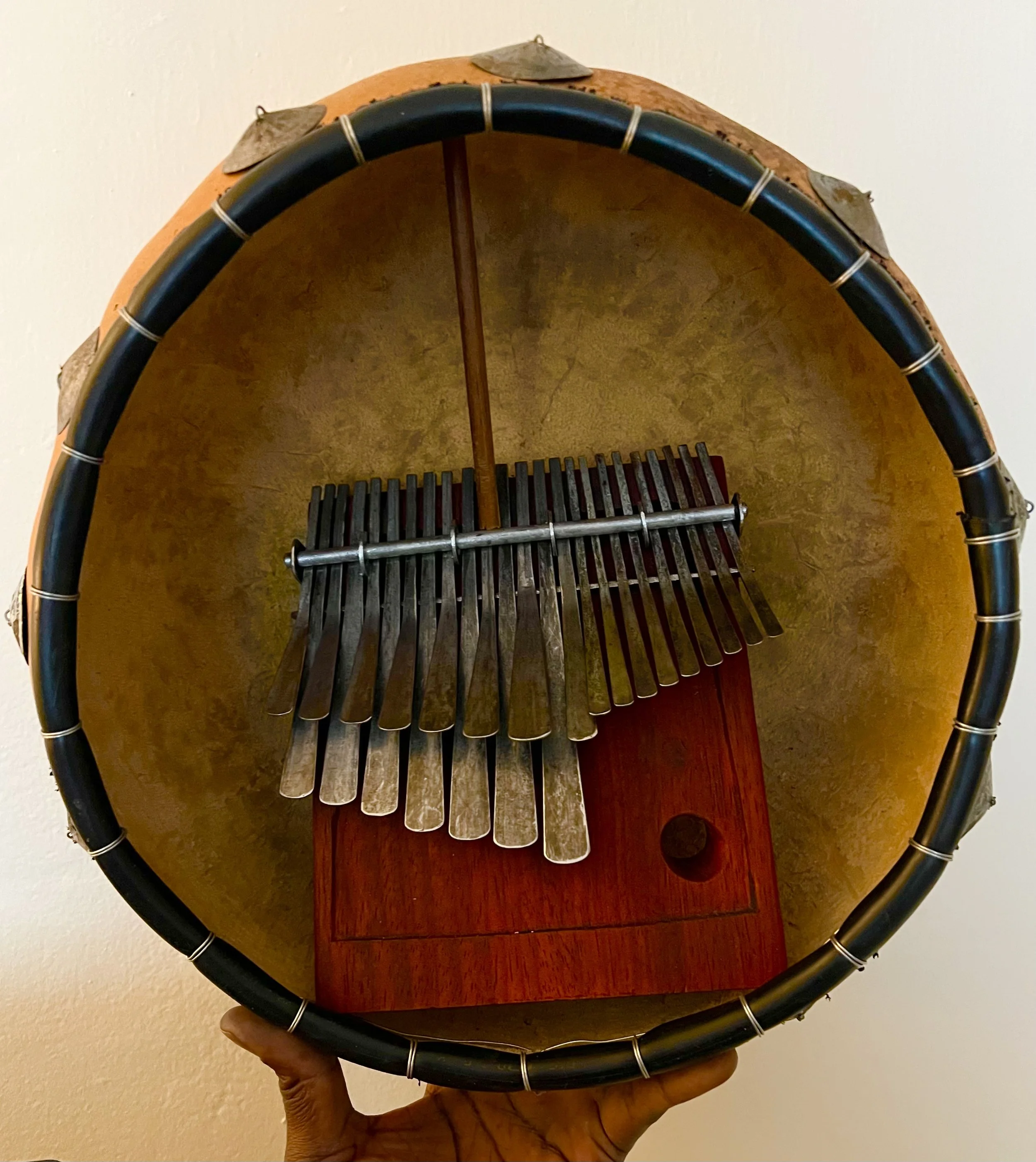
At Mbira dzaSoko, we invite you to immerse yourself in the vibrant essence of Zimbabwean musical culture. As passionate performing artists, skilled instrument makers, and dedicated music educators, we are committed to sharing the profound heritage of the mbira remarkable instrument with a history that spans over 1,000 years.
The mbira is more than just a musical tool; it is a bridge connecting us to our ancestors, offering a means of guidance and reflection. As custodians of this rich tradition, we honor the legacy of those who came before us, preserving the melodies and harmonies that bind the living to the past.
Our mission extends beyond performance. We create beautiful instruments, share our knowledge, and foster a deep appreciation for our culture within diverse communities. By engaging with young people in schools, we ensure that the art of mbira continues to thrive, nurturing a spirit of life, love, and unity among all.
Join us on this journey as we celebrate the profound beauty of Zimbabwean music together!

Salani Matshoba Artist Statement
Salani "Wamkanganise" Matshoba is a mbira maker, player, and cultural ambassador from Harare, Zimbabwe. Introduced to mbira at the age of 8, he learned his first song from his uncle, and developed most of his playing by listening closely to the elders. By his teens, he could play mbira songs he heard on the radio. In 1991, as a student at Prince Edward School in Harare, Salani performed mbira for Queen Elizabeth II and Prince Philip during the royal visit to Zimbabwe.
From 2001–2008, Salani performed in Victoria Falls for tourists from around the world, learning the art of presenting traditional music to international audiences. Returning to Harare in 2008, he studied the art of mbira-making.
In 2014, Salani was selected as artist-in-residence in Kobe, Japan, where he gave solo performances, released his debut album, and led workshops on mbira, hosho (shakers), dance, and vocals.
Back in Zimbabwe, he performed with vocalist Diana Samkange and was a founding member of Munzwo Mbira Ensemble, whose recordings can be heard on Facebook's Sound Collection.
In 2020, he was one of the primary musicians interviewed in Zimbabwe for UNESCO's nomination of the mbira as Intangible Cultural Heritage of Humanity.
He also recorded vocals, mbira, and percussion on The KTO Project's album Mafaro eZimbabwe, led by Kelly Takunda Orphan in homage to her teachers and the music she experienced in Zimbabwe in 1994.
Since 2021, Salani has served in the East Bay as a teacher, performer, and presenter of Zimbabwean traditional and contemporary music. He has worked with Destiny Arts Center, Alvin Ailey Camp at UC Berkeley, Afro Culture Kids Camp in Oakland, Mahea Uchiyama's African American Mbira Project, and Alameda County Juvenile Hall, and performs with Mbira Dzasoko, Chinyakare, PIWAI, and The KTO Project.
In September 2025 and twice in Spring 2026, Salani was invited by a delegate from Zimbabwe to perform during the United Nations' 80th Anniversary celebration in New York City, joining other Zimbabwean artists in representing their homeland through traditional music. In 2025, the Alliance for California Traditional Arts (ACTA) awarded Salani a mentorship in its 25th Apprenticeship Program, mentoring fellow Mbira Dzasoko member Michell Marufu in mbira, deepening the transmission of Shona mbira traditions within the diaspora.
Currently residing in the San Francisco Bay Area, Salani leads Mbira Dzasoko with his resounding bass vocals and rhythmic bass mbira, and teaches with Living Jazz — marimba, drumming, singing, and mbira — with youth in public schools across Contra Costa County. His students range from elementary school children to adults. His work is deeply connected to marginalized and underrepresented communities: he carries forward a Shona musical tradition that survived colonial-era suppression, and in the Bay Area he brings that tradition to the young audiences who rarely have the chance to experience it firsthand. His life and artistry also push back against the impoverished stereotype of Africa so often seen in American media — he is an instrument maker, an international performer, and a dedicated educator, a portrait of Zimbabwean excellence.
Contact us
Kindly fill out some info and we will be in touch shortly. We can’t wait to hear from you!